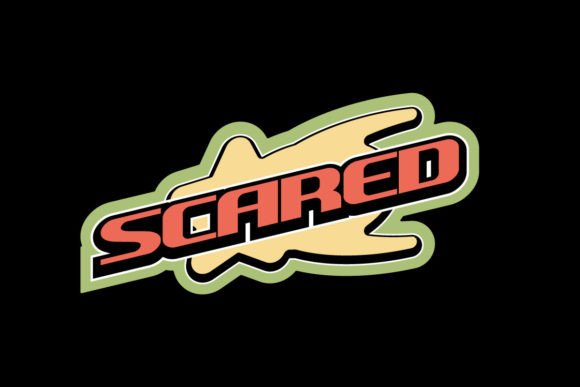
Scared Y2k Graphic Tee Design Ideas
There’s a distinct electricity in the air when you open a new vector file, a sense of potential. As someone who has spent years in the trenches of brand strategy and apparel design, I recognize that feeling. It’s the moment an idea can become a physical product, a brand identity, or a viral social media post. The "Scared Y2k Graphic Tee Design Ideas" collection taps directly into that potential, offering a curated set of assets for the modern creator. This isn't just a folder of random graphics; it's a toolkit built around a powerful, nostalgic aesthetic that resonates deeply with today's market.
Decoding the Aesthetic: More Than Just Nostalgia
When we talk about Y2K design, we're not just referencing a calendar date. We're talking about a specific visual language born from the turn of the millennium—a blend of digital optimism, tech anxiety, and a rebellion against the minimalist grunge of the 90s. The "Scared" element in this collection speaks to that core tension: the fear of the unknown future, glitches in the matrix, and the raw, unfiltered expression of a generation navigating a new digital frontier. Think distressed textures, warped typography, skeletal motifs intertwined with early internet iconography, and a color palette that can swing from neon cyber-punk to muted, worn-out pastels.
This design style is characterized by its unapologetic personality. It's loud, sometimes chaotic, but always intentional. The appeal lies in its authenticity. For a designer or a small business owner, using these assets means tapping into a cultural current that values individuality and a slightly "off-kilter" perspective. It’s perfect for creating a brand identity that feels both retro and urgently modern, speaking directly to a demographic that appreciates irony, texture, and a story behind the design.
Strategic Applications: From Vector File to Streetwear Staple
The true value of a design asset like this lies in its versatility. The provided EPS files are the workhorse of the package. As a vector source, you have complete creative control. This is where the practical work begins. Let's break down how you can leverage these files across different projects.
- Apparel & Merchandise: This is the core use case. For t-shirt sublimation, the high-resolution JPGs are ready to go. For screen printing or DTG (Direct-to-Garment), the vector files allow you to separate colors, adjust line weights, and scale the design from a chest print to an all-over pattern without any loss of quality. Imagine using a fragmented "scared" skull graphic as a front pocket print, then scaling up a complementary pattern for the inside of a hoodie's hood. This level of detail elevates a product from generic to premium.
- Digital Presence & Social Media: A strong social media graphics strategy requires visual consistency. These designs can be adapted into Instagram story templates, YouTube thumbnails, or even subtle animated elements for a website header. The Y2K aesthetic performs exceptionally well in short-form video content, where glitch effects and rapid visual shifts capture attention. You can create a cohesive visual thread that ties your product shots, lifestyle imagery, and promotional posts together.
- Brand Collateral & Packaging: Don't limit these assets to the obvious. A distorted element from the design collection could become a unique pattern for packaging design. Think of the inside of a mailer box printed with a subtle, repeating glitch pattern, or a hangtag that features a single, striking motif. This creates an unboxing experience that reinforces your brand's story and attention to detail, which is crucial for building a loyal customer base.
Making It Work: A Practical Guide for Creators
Having a powerful design asset is one thing; using it effectively is another. Here’s a framework for integrating the "Scared Y2k Graphic Tee Design Ideas" into your workflow with purpose.
- Evaluate the Project Fit: Before you even unzip the file, ask: does this aesthetic align with my brand's voice? This collection is ideal for streetwear brands, music merch, indie game studios, or any project targeting an audience that appreciates counter-culture and nostalgia. It might not be the right fit for a corporate law firm's rebrand, but it could be perfect for a podcast about tech history.
- Test and Transform: The instructions say you can transform, scale, and recolor. Do it. Don't just use the designs as-is. Open the EPS in Adobe Illustrator or a similar vector graphics software. Isolate a single element—a hand, a glitchy line, a fragment of text—and see how it stands alone. Change the color scheme to match your existing brand palette. This is how you move from using a template to creating something original.
- Master the Font Pairing: Typography will make or break your design. The graphics themselves have a strong voice, so your choice of typeface needs to complement, not compete. Avoid overly ornate script fonts or traditional serif fonts unless you're intentionally creating high contrast. Instead, look to sans serif fonts with a technical or geometric feel. A clean, monospaced font can echo the "digital" aspect of Y2K, while a bold, distorted display font can lean into the "scared" theme. The goal is visual hierarchy—your graphic is the star, and the text should be a supporting actor that provides clarity.
- Consider Commercial Use: While the provided terms are clear, always practice due diligence. If you're creating merchandise for sale, ensure you understand the licensing. These assets are designed for commercial projects, which is a significant advantage for entrepreneurs and small business owners building a product line.
Ultimately, a collection like "Scared Y2k Graphic Tee Design Ideas" is a catalyst. It provides the raw material—the design assets—but your vision, strategy, and execution are what will determine its success. It’s about understanding the cultural context of the style, applying it with intention across various mediums, and refining it until it feels authentically yours. In a crowded marketplace, that thoughtful approach to modern typography